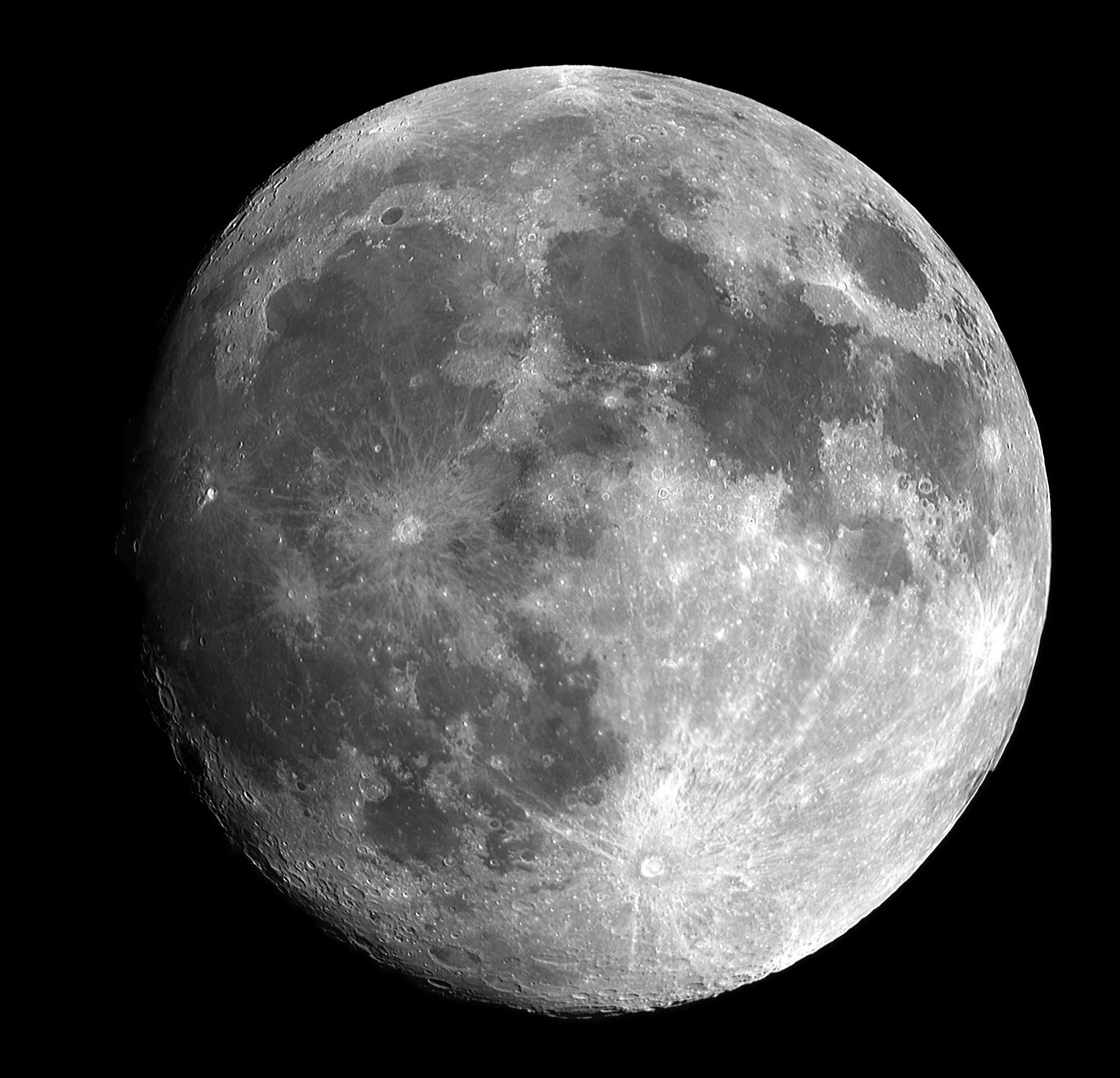
Learn about moon with this comprehensive guide covering fundamentals, practical applications, and advanced techniques.
This comprehensive guide explores moon in detail, providing actionable insights and current information to help you understand and apply key concepts effectively. Based on thorough research and analysis of the latest developments in this field, this article delivers valuable perspectives for both beginners and experienced practitioners.
Key Insights Summary
The Moon orbits Earth, has phases from New to Full, and influences tides and some cultures’ calendars.
Practical Applications of Moon
Source: Moon Magic: A Guide To Living In Alignment With The Moon’s Phases Waning Crescent Moon Phase glowing in the Dusk Sky
Start exploring the power of the lunar cycle today with our Digital Moon Journal. This 25-page comprehensive guide aligns your personal growth journey with the moon’s phases, offering printable monthly calendars, daily planner sheets, reflection prompts for each phase, and insights on the moon’s transit through the zodiac. And the best part, it’s an instant download (PDF).
Digital Moon Journal […] In this comprehensive guide, we’ll explore the energies of each moon phase, revealing how to enhance your daily rituals with carefully selected crystals, intentional activities, and meaningful insights. Alongside, we’ll offer affirmations and inspiring journal prompts tailored to each phase.
Whether you’re a seasoned lunar enthusiast or just beginning to connect with the moon’s cycles, prepare to embark on a path to discovering the secrets of living in alignment with the lunar rhythm.
the moon in different phases, including the waxing crescent phaseThe Phases Of The Moon […] Exploring the various phases of the moon opens up a world of connection, intention, and self-discovery. From the promising beginnings of the New Moon to the reflective wisdom of the Waning Gibbous, each phase offers unique insights and opportunities for growth. Whether you’re harnessing the energy of the moon for spiritual practice or simply finding solace in its ever-changing glow, understanding these lunar cycles can be a transformative journey. Embrace the rhythm of the moon, align with its phases, and you may find a beautiful harmony in your own life that resonates with the natural world around you.
Source: A Guide to Moon Phase Meanings – Sea Witch Botanicals Note that your menstrual cycle does not have to be in sync with the Moon in order for you to practice with it. Think of your cycle as your own inner dial. No matter the phase of the Moon outside of you, you can practice with the Moon of your own body by working to the beat of your own cycle. This may be the most effective way to harness the synchronicity between lunar and menstrual energies. That being said, you do not need to have a menstrual cycle in order to work with the lunar cycle. All bodies can experience connection with the Moon and benefit from integrating lunar alignment into their practices.
Herein find a guide to the Moon’s magical energies, what powers they supply, and what kinds of workings may be most effective during each lunar phase. […] A Full Moon is a period of harvest and plenty. She hangs in the sky heavy as a blueberry bush drooping with the weight of hundreds of berries grown ripe with summer’s Sun. At this time we are reaping the bounty grown from the seeds sown when the Moon was New.
During ovulation, estrogen and energy in the body are at their highest. As the body releases its egg, the senses are heightened and sexuality is strongest.
The Full Moon supplies a wealth of energy that can be channeled into many different workings. Use this time to perform denser, more energy-heavy magick. Consider spells or rituals surrounding the themes of fertility, success, accomplishment, and culmination. […] The Moon. We all know and cherish her. Ever a shapeshifter, the Moon is constantly traveling and always changing her form. We recognize her shifting cycle as being made up of phases that denote the amount of lunar light visible at any given time from Earth. While half the Moon is illuminated by the Sun at all times, her orbit around our planet dictates how much of this illumination we can actually see.
Industry-Specific Implementations
From professional settings to everyday use cases, the practical applications demonstrate the tangible value and impact of understanding these concepts. Case studies show measurable improvements when principles are properly implemented.
Key Takeaways
This comprehensive exploration of the topic provides valuable insights and practical guidance. By applying these concepts systematically, practitioners can achieve significant improvements in their work and understanding.
Common Challenges and Solutions
Source: [PDF] Lunar sourcebook : a user’s guide to the Moon Lunar Sourcebook is intended for the post-Apollo generation of scientists, engineers, teachers, and students. It has two purposes. First, it summarizes what we know about the Moon as a result of U.S. and U.S.S.R. lunar missions and the continuing analysis of lunar samples and data here on Earth. Second, it provides a convenient, accessible sourcebook for planning the future study of the Moon and the eventual use of the Moon by spacefaring humans. This book began in 1984, and we were at the active manuscript-editing stage on July 20, 1989, when President George Bush marked the 20th anniversary of the Apollo 11 landing by initiating what is now called the Space Exploration Initiative (or sometimes the Moon-Mars initiative), a program for the return of humans to the Moon, followed by human […] Center A, Rockets and Satellites, Code 601, NASA Goddard Space Flight Center, Greenbelt, Maryland 20771 USA. The database includes images, reports, and geophysical data from the Ranger, Surveyor, Lunar Orbiter, Apollo, Luna, and Zond Programs. A comprehensive catalog was published by W. S. Cameron, E. J. Mantel, and E. R Miller (1977) Catalog of Lunar Mission Data, NSSDC/WDC-A-RS Document #77-02, 204 pp. National Technical Information Service (NTIS). For out-of-print reports, facsimile paper copies or microfiche can be ordered from NTIS, 5825 Port Royal Road, Springfield, Virginia 22152. NASA Johnson Space Center History Office. Over 30,000 documents from the Apollo program have been saved as an archive for the purpose of historical studies by the History Office, NASA Johnson Space […] The National Aeronautics and Space Administration (NASA) now receives a steady flow of requests from engineers, student groups, and others involved in such planning. These groups want detailed information about the Moon, and their requests have not been easy to answer. Most handbooks containing data about the Moon were written in the 1960s for the Apollo missions and are therefore out of date; they are also out of print. Much of their information was intended for spacecraft design and is not useful for planning long-term surface activities or a permanent outpost on the Moon. To address these problems, the authors of this book have attempted to combine their aggregate experience in different areas of lunar research in order to summarize, in one place, the currently available data about the
Source: The moon — A complete guide to Earth’s companion | Space
Explore the moon yourself!
Fancy taking a more in-depth moonlit tour of our rocky companion? Our ultimate guide to observing the moon will help you plan your next skywatching venture whether it be exploring the lunar seas, mountainous terrain, or the many craters that blanket the landscape. You can also see where astronauts, rovers and landers have ventured with our Apollo landing sites observing guide.
If you’re looking for a telescope or binoculars to observe the moon, our guides for the best binoculars deals and the best telescope deals now can help. Our best cameras for astrophotography and best lenses for astrophotography can also help you prepare to capture the next skywatching sight on your own.
Charles Q. Choi […] Currently, the moon is not on a trajectory to crash into Earth. It is gradually moving away from Earth at about 1.5 inches per year. The moon plays several important roles, such as stabilizing the tilt of our orbit, causing seasonal changes, influencing tides, and aiding nocturnal animal navigation. If the moon were to suddenly disappear, it would lead to significant environmental changes, and life on Earth, particularly animals, would face challenges in adapting to such drastic shifts. However, due to its slow departure, we do not notice substantial changes. […] A detailed view of a partially illuminated lunar surface showing large craters.
Like our solar system’s four innermost planets, the moon is rocky. It’s pockmarked with craters created by asteroid impacts millions of years ago and, because there is no weather, the craters have not eroded.
Photos: Our changing moon
The average composition of the lunar surface by weight is roughly 43% oxygen, 20% silicon, 19% magnesium, 10% iron, 3% calcium, 3% aluminum, 0.42% chromium, 0.18% titanium and 0.12% manganese.
Orbiting spacecraft have found traces of water on the lunar surface that may have originated from deep underground. They have also located hundreds of pits that could one-day house explorers living on the moon long-term.
Key Takeaways
This comprehensive exploration of the topic provides valuable insights and practical guidance. By applying these concepts systematically, practitioners can achieve significant improvements in their work and understanding.
Tools and Technologies for Moon
The modern landscape offers numerous tools and technologies that facilitate the implementation of moon. This section reviews leading platforms, software solutions, and methodologies that enhance effectiveness.
Key considerations when selecting tools include compatibility with existing systems, scalability, cost-effectiveness, and support for best practices. The right technology stack can significantly improve outcomes and streamline implementation.
Future Trends and Predictions
The trajectory of moon suggests continued evolution and expansion in the coming years. This section explores emerging trends, expert predictions, and potential future developments that may shape the landscape.
Staying informed about these trends helps practitioners anticipate changes and adapt their approaches accordingly. The rapid pace of innovation means today’s best practices may evolve into tomorrow’s standard methodologies.
Case Studies and Real-World Examples
Examining real-world applications provides valuable insights into how moon works in practice. This section presents detailed case studies that demonstrate successful implementation and lessons learned.
Each case study illustrates specific challenges, the approach taken to address them using moon principles, and the measurable outcomes achieved. By studying these examples, practitioners can gain practical understanding and avoid common mistakes.
Conclusion
In summary, moon represents a significant area of study with far-reaching implications across multiple domains. By understanding the fundamental principles, practical applications, and advanced concepts discussed throughout this comprehensive guide, you’re now equipped to make informed decisions and contribute meaningfully to discussions about moon. The rapidly evolving nature of this field means continued learning and adaptation will be essential for staying current and effective in related endeavors.
Additional Resources
For more information on moon, consult reputable sources and stay updated with the latest developments in this evolving field.