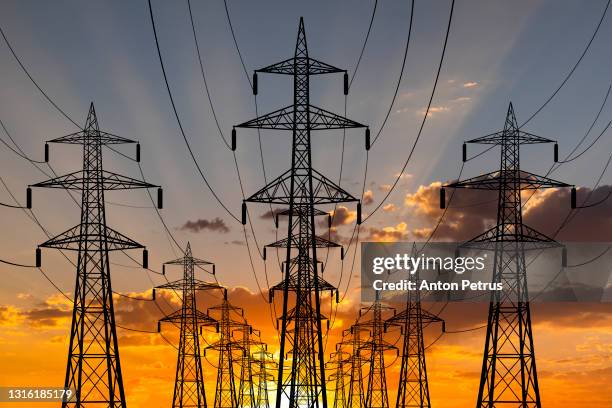
Learn about electric with this comprehensive guide covering fundamentals, practical applications, and advanced techniques.
This comprehensive guide explores electric in detail, providing actionable insights and current information to help you understand and apply key concepts effectively. Based on thorough research and analysis of the latest developments in this field, this article delivers valuable perspectives for both beginners and experienced practitioners.
Key Insights Summary
Electricity is a fundamental form of energy, essential for modern life, involving voltage, current, and resistance. Electric vehicles (EVs) offer better fuel economy and lower emissions compared to traditional vehicles. For detailed wiring and electrical codes, refer to the Black+Decker guide.
The Fundamentals of Electric
Source: Basics of Electricity: Essential Concepts Explained Electricity plays a critical role in our modern daily existence. It is the energy source that powers everything from home appliances to highly sophisticated transportation systems, and most things in between. For any person aspiring towards a career in electrical engineering, electronics or the electrical trades, a solid understanding of the basics of electricity is indispensable.
This guide delves into the core concepts of electricity by explaining voltage, current, and resistance. Then we examine the many types of electrical circuits with an emphasis on conductors and insulators, power and energy principles, and important safety practices that must always be followed. This overview is designed to build a strong understanding of the foundation of the fascinating world of electricity. […] ## Basics of Electricity: What Is Electrical Energy?
Electricity is a form of energy that exists through charged particles like electrons and protons. It is integral to almost every facet of modern life. Electricity powers our homes, phones, appliances, computers, city lights, industrial machinery, trains, public works and so much more. The list of conveniences powered by electricity is seemingly endless. […] 1. Voltage: the electric potential difference between two points.
- Current: defines the flow of electric charge.
- Resistance: signifies the opposition to that flow.
These three concepts constitute the core of electrical theory, and they are essential knowledge for anyone pursuing careers in electrical engineering, electronics, the skilled trades or renewable energy. These principles of electrical knowledge are applicable in almost every industry.
Voltage is the term used to describe the electrical potential difference, and it measures the force pushing electric charges through a circuit. Measured in volts (V), it can be likened to pressure driving electrons along a conductor.
Source: Electricity Guide – ScienceWiz NOTE: Electricity is part of a progression that covers a major topic area in the Physical Sciences: Electricity and Magnetism. A basic understanding of this topic is essential to functioning in modern society as it extends into and impacts practically all aspects of our lives.
Class Assignment: Complete the courseware online assessment. When the results are in, go over the questions that students in England are asked about the topic of Electricity. Some of the questions and topic areas will be covered in later classes in this progression. […] Show two videos:
Video on Electricity: What is Electricity? (5 minutes)
Video on Electricity: Electricity Song (about 3 minutes)
Add the new key words to the science vocabulary chart: current, volts, voltage, electrons, amperes, amps, circuit, AC, DC
Class Assignment: Students are asked to see if they can solve the coded message in their Electricity Workbook on page 17.
Optional but wonderful fun: Show the Glowing Ice Ball Video Activity. Have students do this as a take home project.
Module 1 – Lesson 4: Test What Materials Conduct Electricity (pgs 20-23)
Review: Have students tell you what they have learned so far and have them define the new vocabulary words.
Show these four short animations as part of the review: […] Each student account also includes:
Detailed Explanation of Core Concepts
Understanding the core principles and foundational concepts is essential for building a strong knowledge base. This section delves into the basic definitions, historical context, and theoretical frameworks that form the basis of this field.
Key Takeaways
This comprehensive exploration of the topic provides valuable insights and practical guidance. By applying these concepts systematically, practitioners can achieve significant improvements in their work and understanding.
Common Challenges and Solutions
Source: The Complete Guide to Electrical Wiring | EEP Search EEP - Electrical Engineering Portal
Premium Membership ♕
Save 50% on all EEP Academy courses with Enterprise Membership Plan and study specialized LV/MV/HV technical articles, guides and courses.
The Complete Guide to Electrical Wiring
Electricity delivery
Large power plants generate the electricity that homes use. Electricity is produced by power plants across the nation using generators that are powered by steam, water, or wind. This power goes into massive “step-up” transformers that boost the voltage to half a million volts or higher.
The Complete Guide to Electrical Wiring (Current with 2014–2017 Electrical Codes) by Black+Decker The Complete Guide to Electrical Wiring (Current with 2014–2017 Electrical Codes) by Black+Decker […] Communities as far as hundreds of miles away from power plants can still receive electricity thanks to high-voltage transmission lines. The power is subsequently reduced for distribution down the street lines by “step-down” transformers installed at distribution substations. A series of smaller transformers mounted on utility power poles further lower the voltage to the standard 120 volts needed by most homes.
There are two common ways that electricity might reach a home: either underground or overhead from a pole known as a service mast. Two 120-volt power cables plus a grounded neutral wire typically connected to the service head in houses constructed after 1950. […] The dead circuit alerts people to a problem.
| Title: | The Complete Guide to Electrical Wiring (Current with 2014–2017 Electrical Codes) – Black+Decker | |||
| Format: | ||||
| Size: | 44.8 MB | |||
| Pages: | 339 | |||
| Download: | Right here – Black+Decker”) | Video Courses | Membership | Download Updates”) |
The Complete Guide to Electrical Wiring (Current with 2014–2017 Electrical Codes) – Black+Decker The Complete Guide to Electrical Wiring (Current with 2014–2017 Electrical Codes) – Black+Decker
Premium Membership
33 Comments
thank’s sir/madaam,i have understood what you have tought or written down,my question is the wirig of merterbox through the pole upto the housepart
Key Takeaways
This comprehensive exploration of the topic provides valuable insights and practical guidance. By applying these concepts systematically, practitioners can achieve significant improvements in their work and understanding.
Future Trends and Predictions
The trajectory of electric suggests continued evolution and expansion in the coming years. This section explores emerging trends, expert predictions, and potential future developments that may shape the landscape.
Staying informed about these trends helps practitioners anticipate changes and adapt their approaches accordingly. The rapid pace of innovation means today’s best practices may evolve into tomorrow’s standard methodologies.
Case Studies and Real-World Examples
Examining real-world applications provides valuable insights into how electric works in practice. This section presents detailed case studies that demonstrate successful implementation and lessons learned.
Each case study illustrates specific challenges, the approach taken to address them using electric principles, and the measurable outcomes achieved. By studying these examples, practitioners can gain practical understanding and avoid common mistakes.
Conclusion
In summary, electric represents a significant area of study with far-reaching implications across multiple domains. By understanding the fundamental principles, practical applications, and advanced concepts discussed throughout this comprehensive guide, you’re now equipped to make informed decisions and contribute meaningfully to discussions about electric. The rapidly evolving nature of this field means continued learning and adaptation will be essential for staying current and effective in related endeavors.
Additional Resources
For more information on electric, consult reputable sources and stay updated with the latest developments in this evolving field.